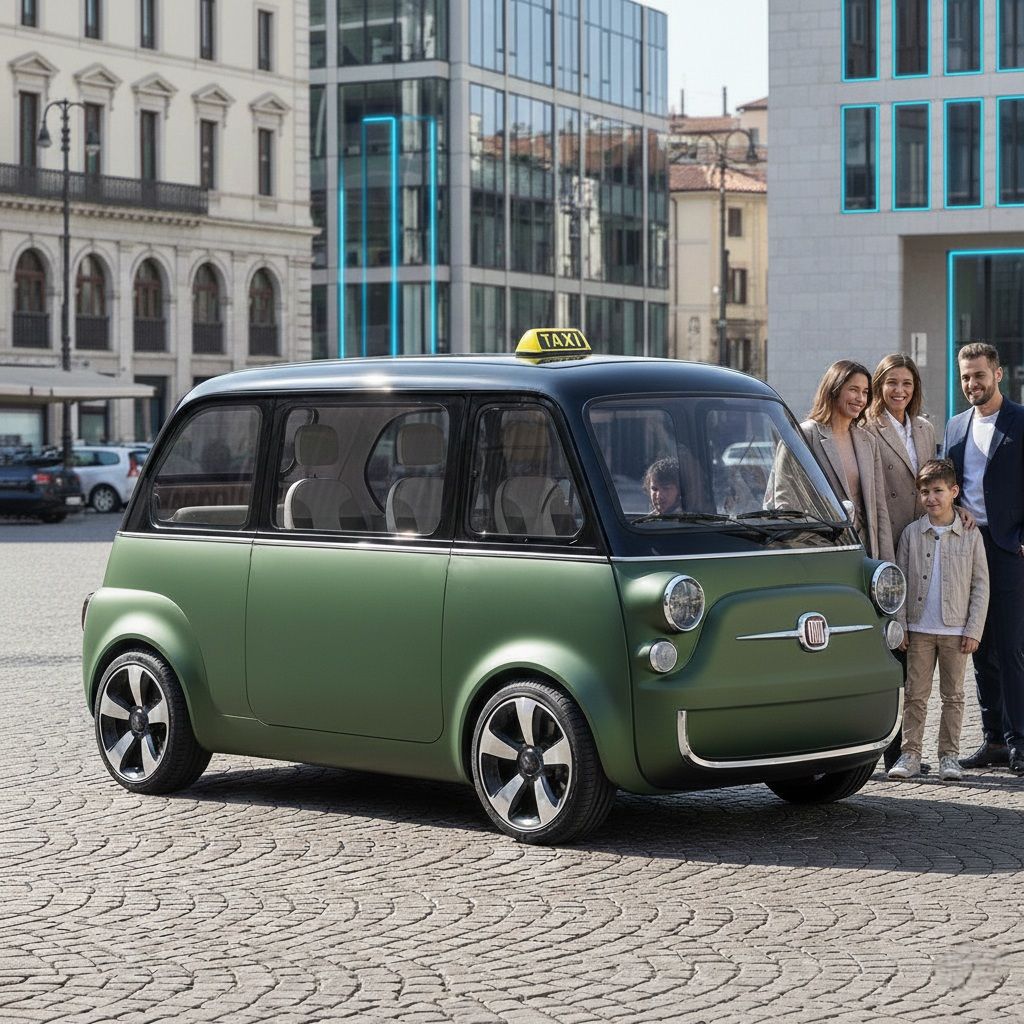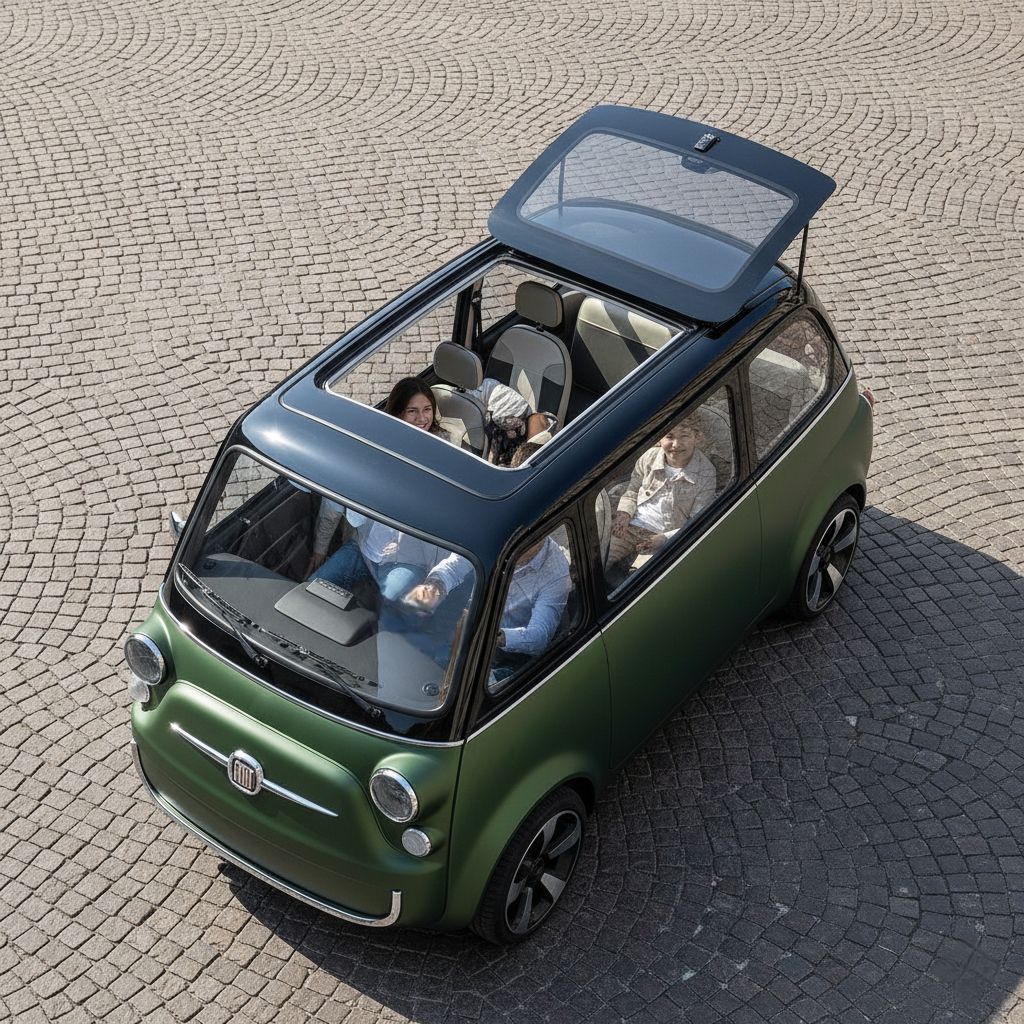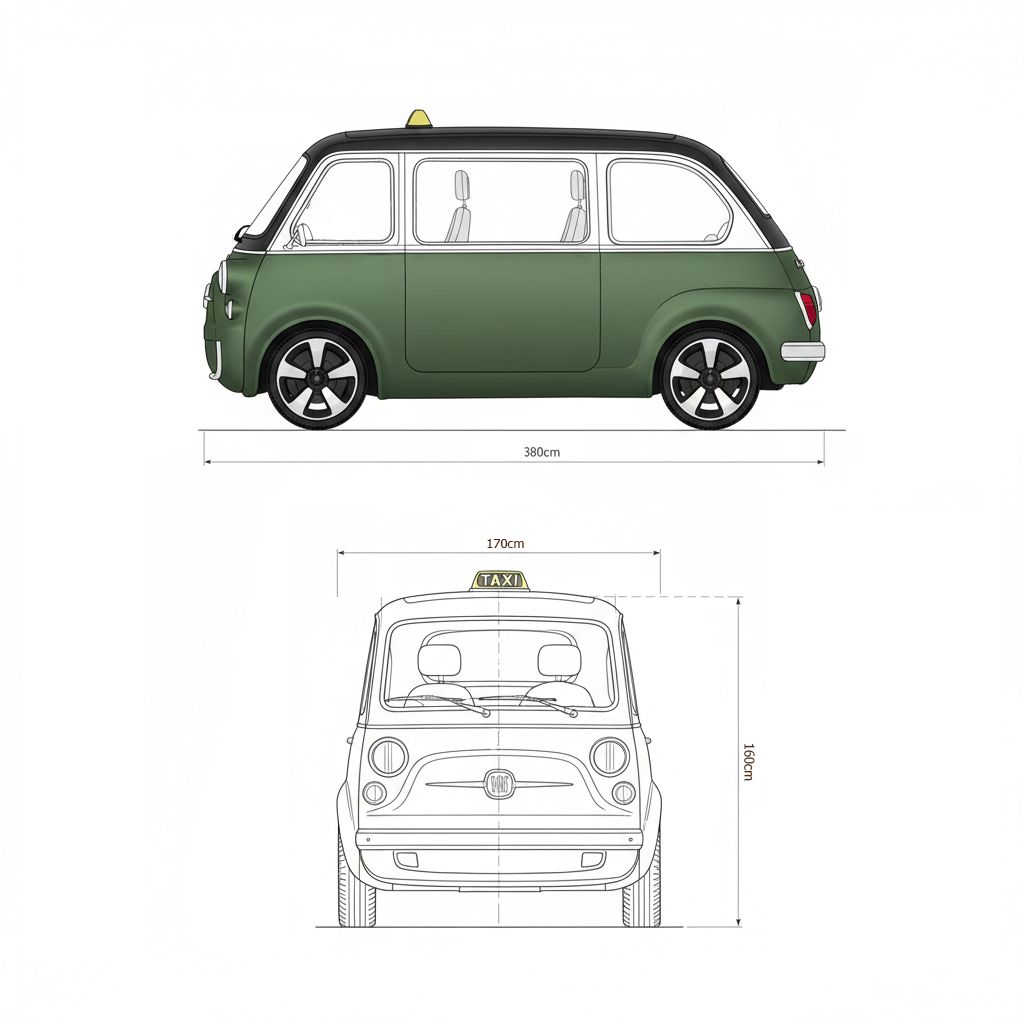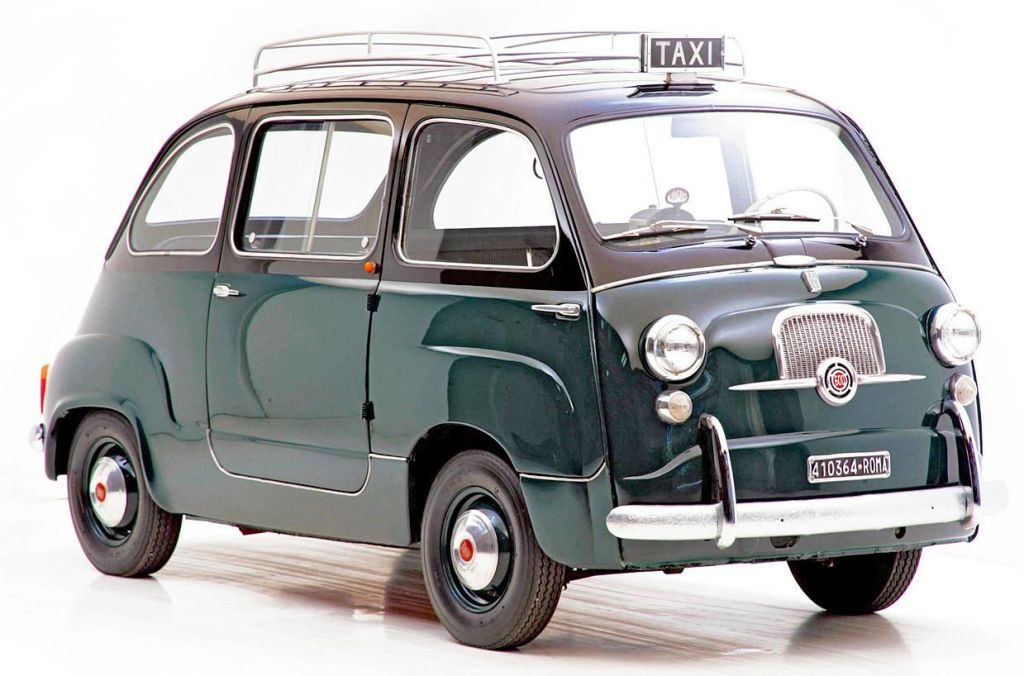
Chissà se un giorno vedremo nelle strade di Roma, Firenze o Milano passare dei taxi Fiat Multipla elettrici a guida autonoma, possibilmente con il tetto in cristallo per ammirare le bellezze della nostra architettura. Piccole, a misura di centro storico, non servirebbero per i trasferimenti extraurbani verso gli aeroporti ma solo per portare i turisti nei centri cittadini, magari attraversando le ZTL. Stellantis ci pensi sopra.
As a kid, one of my favorite toys was a 1:24 scale Matra Rancho. It was so far ahead of the boring sedans everyone was driving in early 1980s. What if Stellantis builds a New Matra Rancho on the Citroën Berlingo/ Peugeot Partner platform? Something in between a SUV and a fourgonnette? Because, let’s face it, the Berlingo is very very practical but not very alluring. A big boxy body coupled with small wheels is not attractive, it lacks the ‘Indiana Jones’ effect that we want to show while stuck in traffic halfway through our daily commute.
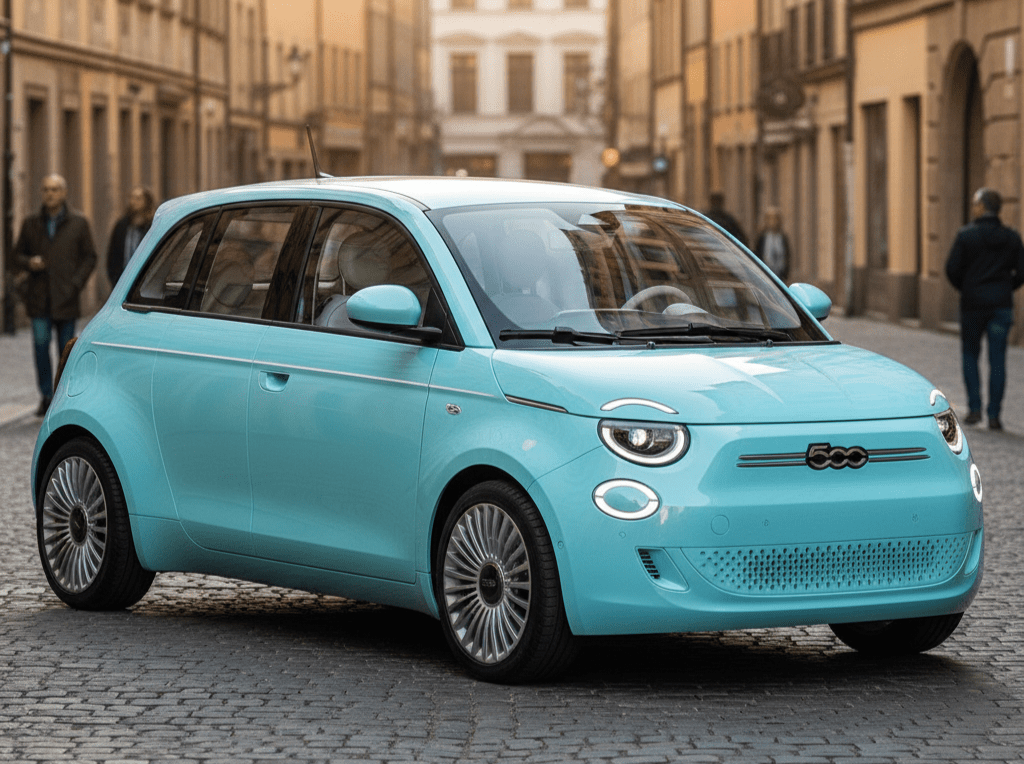
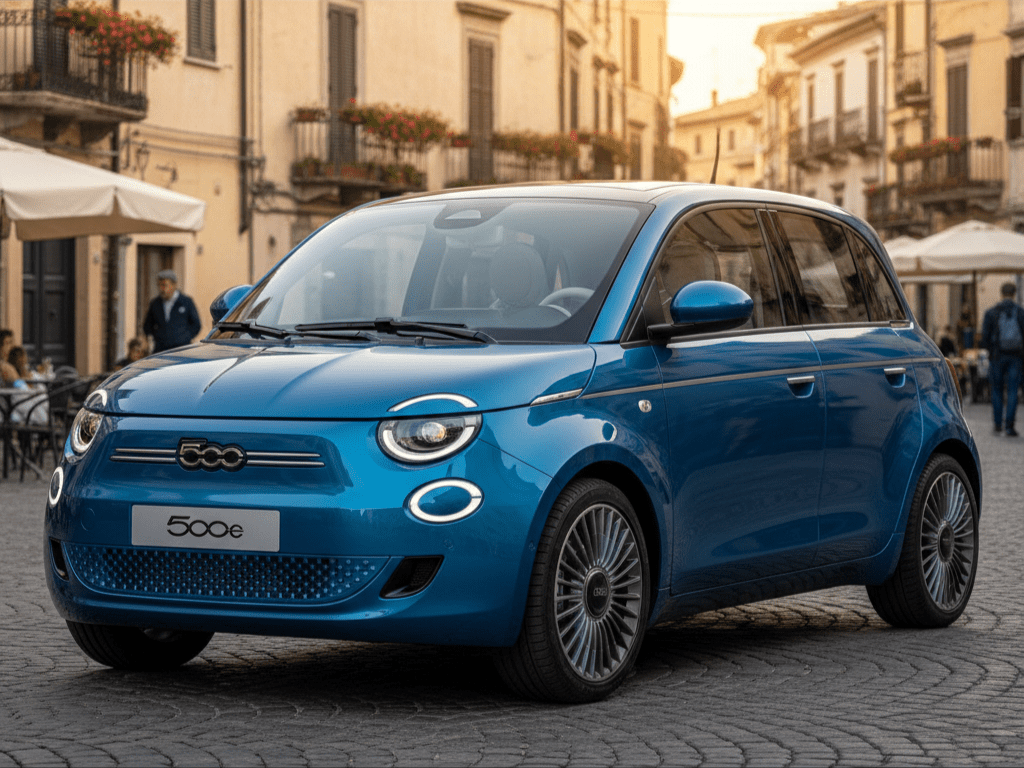
I know, I know, do we really need a 4-door Fiat 500? Maybe not, but the romanticism of the 2-door model has the inconvenient shortcoming of not being practical. You may argue that Fiat already features the 600 with four doors, but that’s different model: it’s way bigger and more expensive. Four doors on the tiny 500 would make life easier when going for groceries, shopping or taking kids to school. Clearly, fifteen additional centimeters to the original length are needed to fit two more doors and real people in the backseat, as we all know human beings can’t be folded and stored in the back like empty bags. Actually they can but it’s not recommended, that’s why cars have ‘Emergency Trunk Releases’. The truth is the population is getting taller and fatter, microcars are still cute but not anymore as practical as they used to be in the 70s or the 80s. The list of manufacturers quitting 2-door versions of their cars is increasing every year, not even Volkswagen bets anymore on a 2-door Golf GTI. The challenge is to balance the cuteness of the original model with the needs of nowadays drivers. Not easy, I know, especially on a Monday morning like this.
If you’re a car guy or just simply lived through the 80s you might had seen this rare car. The Alfa Romeo Milano (75 for the European market) was an Italian sport sedan and the Brainchild of Ermanno Cressoni. Cressoni (1939 – 2005) has been a prominent designer born and raised in Milan and worked many years for the Milanese brand. On top of that he’s been a professor with the Polytechnic University of.. well.. Milan, my alma mater, the University where I graduated in 2002. I attended his classes and learned a lot about styling and design from him, I learned the ‘responsibility of beauty’ which means as a designer not only I have to focus on functionality of products but I have to consider the importance of pleasuring the eyes.
Poetry can be found in the lines of a book but pure art can be fully expressed by bending tin foils as well, like coach-builders did for a long time during the 20th century. A thin line divides craftsmen and artists, whether they work on leather, steel, wood, marble and if they make unique pieces or thousands the difference is subtle. Industrial design can be conceived as a “process of design applied to products that are to be manufactured through techniques of mass production” (at least as Wikipedia sees it) but this is quite a mechanistic definition. To me, Industrial design is the ideal place where the production process with its requirements meets the will to create something emotional, the act of setting art free outside museums’ walls making it affordable for the community. Probably no one ever considered that buying the classical coke glass bottle is like purchasing a piece of art, the fact that a machine made million copies of it doesn’t matter: a genius shaped its iconic silhouette committing it to memory forever, it’s enough to consider that bottle pure art.